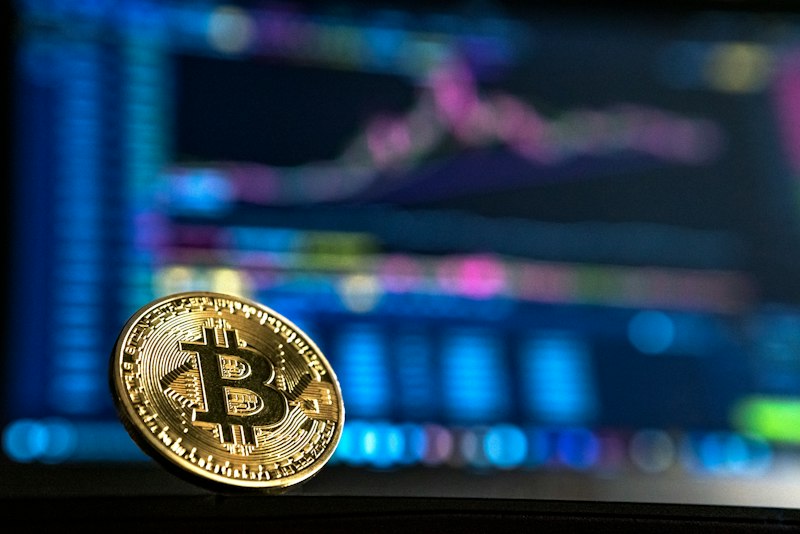
I bought my first Bitcoin in 2017, right before the crash. I watched it fall 65% over the following year, learned a tremendous amount about myself and my risk tolerance, and held through the entire decline. I also learned that knowing something intellectually and acting on it under emotional pressure are completely different skills. Most of what I know about managing volatile assets, I learned from that experience.
Here's my honest perspective after years in this space: cryptocurrency is a legitimate asset class with unique properties that no other investment offers—decentralization, censorship resistance, finite supply, and permissionless transferability. It also has genuinely catastrophic downside scenarios that prudent investors must consider. How you allocate to it depends entirely on your emotional and financial capacity to lose everything you put in.
What Crypto Actually Is
Bitcoin is primarily a store of value and medium of exchange with a fixed supply schedule that can't be manipulated by governments or central banks. Its value proposition is exactly that scarcity and independence from traditional financial infrastructure. Whether that value proposition is worth $50,000 per coin or $5 is a question the market is still answering.
Ethereum is a different asset entirely—it's computational infrastructure that enables decentralized applications. Its value comes from the economic activity on its network, similar to how AWS generates value from companies using its computing services. The ETH token serves as "gas" to power that computation, creating genuine demand.

Position Sizing: The Only Thing That Actually Matters
The question isn't whether Bitcoin will go up or down. The question is: if Bitcoin goes to zero—which is genuinely possible—can you sleep at night and maintain your overall financial security? Most people who allocate meaningfully to crypto allocate too much. The 80% crash in 2022 destroyed many people who had overextended.
My rule is simple: crypto should never be more than 5-10% of your total investable assets, and it should be money you genuinely don't need for at least five years. Use our Crypto Position Calculator to model different scenarios and understand what size position makes sense given your total portfolio.
The Index Approach to Crypto
Rather than picking individual coins, consider a weighted approach to crypto exposure. An index of the top 10-20 cryptocurrencies by market cap reduces single-asset concentration risk. You'll still benefit from the sector's growth if that growth materializes, but you're protected against any single project failing. The same logic that applies to stock indexing applies here.
What I Actually Own
For disclosure: I own Bitcoin, Ethereum, and small positions in one or two other assets I've researched deeply. My total crypto allocation is roughly 5% of my portfolio. This isn't a recommendation—it's context for my perspective. I've seen people make and lose fortunes in this space, and the common denominator in who survives emotionally and financially is position sizing. Nobody who bet their retirement savings on crypto in 2021 was happy with the outcome.
Avoiding the Scams
The crypto space is full of scams: rug pulls, pump-and-dump schemes, fake yield farms, and projects with zero fundamentals that exist purely to extract money from speculators. The same critical thinking you apply to stock investments should apply here. If a project promises guaranteed returns, it's a scam. If a token's value is primarily driven by new investors buying in rather than actual utility, it's a Ponzi. Most people lost money in 2022 not because crypto is inherently bad, but because they chased yields that were too good to be true.